Guía definitiva de ropa de trabajo para clima frío
|
|
Tiempo de lectura 6 min
The work doesn’t stop when the temperature drops. For construction crews, farmers, and industrial workers, winter often means battling wind, snow, and frigid conditions. Having the best workwear for cold weather is about more than keeping warm. It’s about safety, comfort, and resilience in some of the toughest working climates.
From layering strategies to choosing the right boots and insulation, in this guide we’ll walk you through the ins and outs of dressing for winter work to ensure you have the right winter work gear.
Essential Cold Weather Workwear Pieces
When building your cold-weather wardrobe, think beyond jackets. Every part of your body needs coverage to stay functional.
Winter Work Jackets
A must-have in any worker’s winter wardrobe, your winter jacket will protect you from cold, wind, and moisture. They provide insulation to retain body heat while still remaining durable against tough jobsite conditions. When searching for a winter jacket, look for features like waterproofing, reinforced seams, and multiple pockets to increase your utility on site.
Winter Work Pants and Bibs
The right pants and bibs play a crucial role in shielding the body from freezing temperatures, snow, and hazards. Built with tough outer fabrics like duck canvas that resist wear and water, many winter work pants feature an insulated lining for added warmth. Bibs take these benefits to the next level by offering extended coverage up through the chest. If you’re dealing with slushy and muddy conditions, winter work bibs and their reinforcements will ensure you can kneel, climb, and move in demanding weather.
Thermal Base Layers
They are the foundation for any winter wardrobe. Your thermal base layers will regulate your body temperature, wick moisture away from the skin to keep you dry, and reduce heat loss from sweat. By trapping warm air close to your body, thermal base layers provide the insulation you need in a lightweight, flexible design that ensures comfort, mobility, and, most importantly, warmth.
Winter Gloves
Protection against frostbite, cuts, and abrasions: Winter work gloves are essential for protecting your most important asset on site—your hands. They provide warmth and insulation while simultaneously allowing for grip and dexterity when working with tools and handling equipment.
Winter Work Boots
Boots are vital for maintaining warmth, traction, and protection in wintry conditions. They shield your feet from cold, snow, and water while providing insulation to prevent frostbite. Slip-resistant outsoles are necessary, so you don’t slip on ice while on the job. For extra warmth, winter work boots may have wool or fleece lining to ensure your feet stay warm and dry.
Winter Headwear
A must-have in wintry and windy conditions, winter hats and gaiters help you maintain body heat, as warmth is most often lost through the head in cold weather. Winter work hats provide insulation and wind resistance while also fitting comfortably under hoods or helmets. Look for materials like fleece, wool, or advanced synthetics that trap heat effectively.
How To Layer For Cold Weather
The single most effective strategy for staying warm on the job is layering. Instead of relying on one bulky coat, think in three levels:
1. Base Layer
Purpose: Regulates body temperature and wicks moisture away from the skin, so you keep dry and comfortable.
Materials: Merino wool and synthetic polyester blends. Think thermal underwear.
Pro Tip: Avoid cotton. It absorbs sweat and stays wet.
Not all winter gear for men and women is created equal. Understanding your fabrics helps you pick clothing that lasts longer and combats your frigid working conditions.
Cold-Weather Fabrics
Wool
A perfect base layer, wool naturally insulates and keeps warmth close to the body while still remaining breathable. Its moisture-wicking properties help regulate temperature, which prevents discomfort during long work hours. Durable and wrinkle-resistant, wool retains a polished look, making it practical and professional in colder climates.
Fleece
Lightweight yet highly insulating, fleece traps heats efficiently without adding bulk. Its quick-drying, moisture-wicking properties will keep you comfortable in cold and damp conditions. Thanks to its soft, flexible construction, fleece allows you to move easily while maintaining warmth.
Cotton Duck Canvas
Tough and durable. Cotton duck canvas is a tightly woven fabric that resists tears, abrasions and performs in harsh conditions. When lined or layered, it provides excellent warmth and natural wind resistance.
Synthetic Polyester Insulation
Synthetic polyester insulation is excellent for winter workwear because it retains warmth even when damp. It’s lightweight and provides reliable insulation without bulk. This fabric dries quickly, resists moisture, and offers durability for tough conditions.
Insulation Types
Down
Down provides exceptional warmth with minimal weight, making it perfect for winter workwear. Its natural loft traps heat, offering superior insulation in extreme cold. When kept dry, down delivers unmatched comfort, and it’s highly compressible and packs easily without bulk.
Synthetic Fill
Synthetic fill insulation is designed to mimic down but is actually better for wet and snowy conditions. Most often used in industrial workwear, it is lightweight, durable, and quick-drying while also providing ample warmth and resilience in the cold.
Advanced Synthetic
Advanced synthetics like Thinsulate™ and PrimaLoft® provide a supreme warmth-to-weight ratio with superior moisture resistance, meaning they’re able to retain heat even when damp. Thanks to their compressible and durable nature, they provide comfort without bulk and guarantee dependable performance and mobility in harsh, cold conditions
Guide To Choosing Winter Work Boots
Stay safe, warm, and comfortable on the job with the right pair of winter work boots. A high-quality pair should combine durability, insulation, and traction. Here’s what to look out for:
Upper
The upper should be tough and weather-resistant. Ideally made from leather or durable synthetics, look for waterproof membranes or treated materials that block snow and moisture while allowing breathability. Reinforced areas, such as a steel or composite toe, adds protection and extends the boot’s life.
Outsole
A reliable outsole is needed for traction and stability on icy and uneven terrain. Deep, slip-resistant lugs help prevent falls, while oil- and abrasion-resistant compounds ensure long-lasting performance. Flexibility in the outsole also adds comfort and flexibility while you move around during long, active shifts.
Lining & Insulation
A warm lining makes all the difference in cold weather. Most common are wool, fleece, or advanced synthetic insulations designed to trap heat without adding bulk. Moisture-wicking linings keep feet dry and reduce your risk of blisters
High-quality insulated workwear only pays off if you maintain it properly. Here are some quick tips to ensure your gear lasts years on end.
Drying Insulated Items: Use low heat or hang-dry to prevent insulation clumping.
Waterproofing: Reapply DWR (Durable Water Repellent) sprays on outer layers each season.
Boot Maintenance: Keep boots dry and conditioned with leather oil or waterproofing treatments.
Storage: Store clean, fully dry gear in breathable bags to prevent mold.
Ultimately, when it comes to gearing up in cold weather, it’s about more than piling on heavy clothes. It’s about smart layering, durable fabrics, and insulation built for your job. From thermal base layers to insulated winter jackets, weatherproof boots, and warm hats and gloves, every piece of equipment plays a key role in protecting you in harsh, wintry environments.


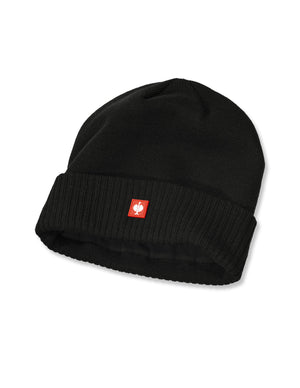 Gorro e.s.trail pure