How to Break In Work Boots (Without Wrecking Your Feet)
Strauss Editorial TeamWe all know how stiff a new pair of work boots can be. Sure, it gives them structure and adds to the protection and durability, but the days it takes to make them feel comfortable (while dodging blisters) is not fun.
But did you know there’s a proper way to break them in? Breaking in your boots properly is all about letting the materials adapt to your feet gradually, without potentially damaging your boot. Done right and your boots will better serve your feet and last quite a while longer. Our guide is below.
Why Breaking In Work Boots Matters
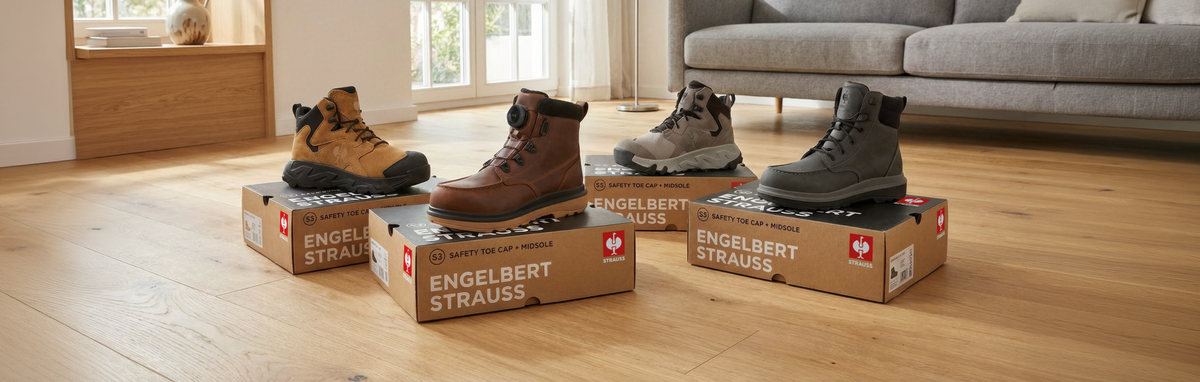
A good pair of high-quality STRAUSS work boots are manufactured from tough, durable materials like thick leather, reinforced synthetic fibers, rigid soles and toe boxes. Let’s just say that while these materials serve your feet on the job, they don’t exactly conform to your foot shape.
Skip any rushed break-in process because it can lead to:
- Blisters and hot spots
- Heel slip and foot fatigue
- Pressure points across the instep or toes
- Premature cracking or material stress
- Reduced long-term comfort
A proper break-in allows the boot to soften, while maintaining support where you need it most.
Step-by-Step: How to Break In Work Boots Properly
1. Start Wearing Them at Home
Before taking new boots onto the jobsite, wear them indoors around the house for short periods of time:
- 1–2 hours at a time
- Wear thick, work-appropriate socks
- Just do normal walking, bending, crouching, and stair use (nothing strenuous)
These activities help the upper begin to flex without exposing your feet to extended hours of pressure.

2. Lace Your Boots Correctly
Proper lacing is a surprising essential during the break-in period. Boots that are too loose cause heel friction. Boots that are too tight create pressure points.
Adjust lacing so the boot feels snug but not restrictive, and re-lace periodically as the material begins to loosen.

3. Ease Into Your Workdays
Don’t go full-throttle and wear your boots for a 15 hour shift. That’s begging for blisters. If possible:
- Wear new boots for shorter shifts at first
- Alternate with an older, broken-in pair
- Gradually increase wear time over several days

Safe Ways to Speed Up the Break-In
- Apply a leather conditioner to leather boots to help soften the upper
- Gently flex the boot by hand (never force it)
- Wear thicker socks during early wear
These methods should help encourage natural movement without compromising the structure of the boot.
What NOT to Do When Breaking In Boots
There are a ton of quick-tips and hacks to breaking in boots. While some may work, we recommend you still avoid the following:
- Soaking boots in water
- Using hair dryers, heaters, or heat guns
- Wearing brand-new boots for full shifts immediately
- Ignoring pain or persistent pressure
Pro Tips for Extra Comfort During Break-In
- Use blister tape or heel pads early
- Keep your feet dry, as moisture increases friction
- Replace factory insoles for additional cushioning, if needed
Just remember: Discomfort is normal, pain is not.
When Boots Aren’t the Right Fit
If your new boots are still uncomfortable after several weeks of gradual wear, the issue may not be the boot itself but rather the sizing or fit. Quality boots should break in and become more comfortable, not continue causing pain.
Always remember, breaking in your work boots takes some patience.