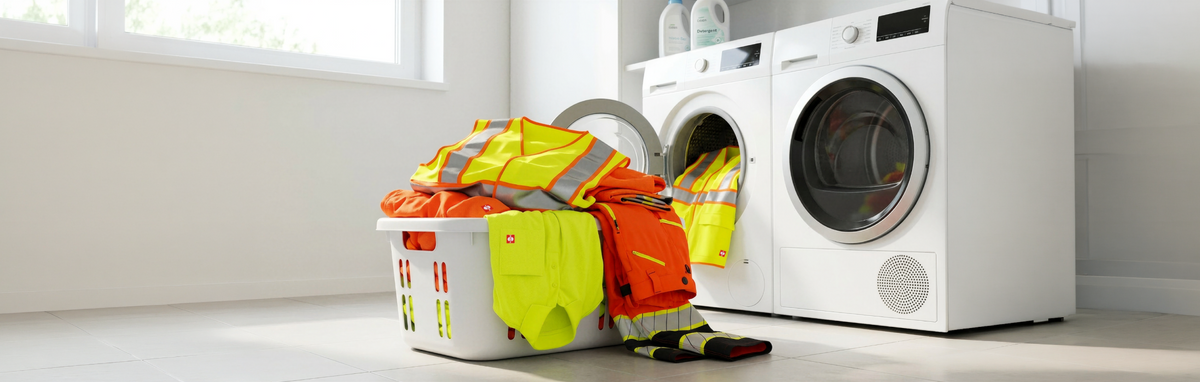
How to Clean Reflective and High-Visibility Clothing
Strauss Editorial TeamMore than just another layer of workwear, reflective and hi-visibility clothing are necessary pieces of safety equipment that’ll keep you seen (and safe) in low light, bad weather, and risky environments. That safety, though, is only guaranteed if your gear is properly clean and maintained.
Whether it’s too dirty, damaged, or washed incorrectly, hi-vis clothing can lose its brightness and reflectivity, reducing its effectiveness and putting you at risk on the job. Follow this guide and learn how to clean your reflective gear correctly, so you can stay safe and protected.
Why Cleaning High-Visibility Clothing Matters
High-visibility workwear relies on two key elements: the fluorescent fabric for daytime visibility and reflective tape for low-light and night conditions. Dirt, oil, dust, and the general grime on jobsites can block light from reflecting properly, and, over time, incorrectly washing your garments will degrade the reflective tape or dull the bright colors. The worst case scenario:
- Reduced visibility in low-light conditions
- Cracking, peeling, or delamination of reflective tape
- Fading of fluorescent colors
- Garments no longer meeting safety standards
How to Clean Reflective and Hi-Vis Clothing
1. Check the Care Label First
It’s obvious but, always read the care instructions before washing. High-quality hi-vis garments are tested under specific, demanding conditions, and following those guidelines helps preserve performance and ensures workplace compliance.

2. Wash Hi-Vis Clothing Separately
Wash reflective clothing on its own or with similar hi-vis garments. As a general tip, avoid mixing them with:
- Dark colors
- Heavier workwear items like bulky jeans
- Abrasive fabrics
This will reduce the wear on reflective tapes and also prevents the dyes from transferring to your gear.

3. Turn Garments Inside Out
Turning hi-vis clothing inside out protects reflective tape from friction during the wash cycle. This, in turn, helps prevent any peeling or cracking.

4. Use Warm Water
Wash at 40°C (104°F) unless otherwise stated on the label. Hot water can damage reflective materials and accelerate the color fading. On the other hand, cold water may not remove oils and grime effectively enough.

5. Choose a Mild Detergent
Remember to wash with a mild liquid detergent that does not contain:
- Bleach or chlorine
- Fabric softeners
- Optical brighteners
- Harsh stain removers
These chemicals can dull the fluorescent colors and reduce reflectivity.

Drying High-Visibility Clothing Correctly
Air drying is by far the best option to protect your gear. If your care instructions recommend tumble drying, then make sure you:
- Use low heat only
- Remove garments promptly
High heat can crack reflective tape, shrink the fabric, and weaken seams.
What to Avoid When Cleaning Hi-Vis Clothing
Of course, there are a few other things you should be aware of when it comes to maintaining your workwear. You should never:
- Iron directly over reflective tape
- Use fabric softener or dryer sheets
- Dry clean hi-vis garments
- Use aggressive degreasers or solvents
- Leave garments dirty for extended periods
Pro Tips to Make Hi-Vis Clothing Last Longer
Proper storage and inspection are just as important as washing. Make sure to:
- Wash regularly because built-up dirt reduces reflectivity
- Close zippers and fasteners before washing
- Inspect reflective tape after each wash
- Store garments away from direct sunlight, as the sun will fade the colors
- Repair small tears before they spread
When to Replace High-Visibility Clothing
Even with good care, hi-vis clothing certainly won’t last forever. You should replace your garments immediately if:
- Reflective tape cracks, peels, or loses shine
- Fluorescent fabric fades significantly
- The garment no longer meets required visibility standards
- The fabric becomes thin or damaged
Hi-visibility clothing is meant to protect you. Cleaning it properly ensures exactly that. With the right care, you’ll stay visible shift after shift.