Finding the right work pants has always been more than just a shopping challenge for many tradeswomen. For too long, they've been forced to wear men’s work pants that don’t fit right, don’t last, and don’t support the demands of their jobs.
But that’s changing.
STRAUSS’ women’s line is designed specifically for real work and for women. This buying guide will help you cut through the noise, understand what matters most in durable workwear, and choose the best pair of work pants for your environment, trade, and style.
How to Find Work Pants With the Right Fit
Tugging, pulling, too baggy or too loose, ill-fitting work pants will put a strain on your day. Below are a few features that address common painpoints. Be sure to watch out for them when you’re buying your perfect pair of pants.
Curved waistbands to prevent back-gap when you squat or climb.
Hip-to-waist grading ensures the fit isn’t just a straight line but contours to your body.
Articulated knees & stretch fabric so the fabric moves with you.
Gusseted crotch increases stride and reduces seam stress.
Multiple rises (mid for secure coverage; higher for extra hold under tool belts).
How to Measure for the Perfect Fit
Grab a flexible tape and note down your measurements.
Inseam: Barefoot, measure from the crotch seam to the floor. For work pants, subtract ½-1" if you don't want heel tread chew or add ½" if you wear taller work boots.
Waist (natural): Find the soft point above your hip bones where you bend side to side. Don't inhale or cinch; keep the tape level and snug, not tight.
Hip: Measure the fullest part of your hips/seat with your feet together. This is key for avoiding thigh pinch.
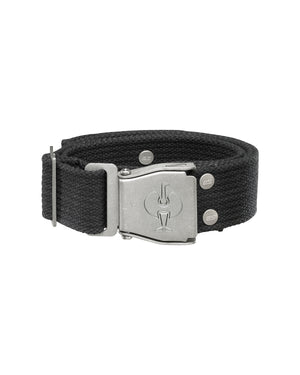
Fit Tip: If your waist and hip fall into different sizes (totally normal), choose your size based on the hip and use a contoured belt or an adjustable waistband. Freedom of movement should always beat out a tight seat.
What Fabrics Do You Need For Your Job?
When it comes to work pants, the fabric is the engine, and the weave is the transmission. Here’s how your options stack up for more durable women’s workwear:
Cotton
The most-used natural fiber in clothing, there’s a reason cotton is a favorite fabric. Cotton work pants are breathable, heavyweight, and great for keeping warm. They also serve as a base for fabrics like denim and duck fabrics.
Best for: Abrasion, sparks, rough edges.
Feels like: Stiff out of the box and requires some break-in time to reach that perfect fit.
Why it works: Dense weave resists scuffs, making it great for overlays (knees, hems).
Ripstop fabric uses a grid of strong yarns that stops small tears from spreading. It’s lightweight yet tough, breathable, quick-drying, and without bulk, making it perfect for hot, high-movement jobs.
Best for: Hot climates, field work, long walking days.
Feels like: Light, breathable, and features a grid pattern that stops small tears.
Why it works: Strong for its light weight, quick to dry, easy to move in.
Stretch denim and stretch twill blend rugged cotton with a hint of elastane for mobility. The fabric will move naturally while you bend, kneel, and climb, yet keep a clean, professional profile. Perfect for both indoor and outdoor work.
Best for: A variety of work tasks like bending and lifting in jobs like warehouse to field transitions.
Feels like: Familiar and flexible fit but still structured enough for your tools.
Why it works: The added elastane provides extra stretch.
Poly-cotton blends combine the strength and easy-care of polyester with cotton’s breathability and softness. They dry fast, resist wrinkles and stains, and hold color after repeated washes. The fabric is durable for abrasion yet light enough for long shifts.
Best for: Active work sites with changing conditions.
Feels like: Smooth, resilient, often with quick-drying finishes.
Why it works: This fabric balances durability and mobility.
Pro Tip: If you’re in a knee-intensive trade, pair a stretch fabric with reinforced knee panels (often made with canvas or Cordura®), which offers both mobility and abrasion resistance.
Pocket Layouts That Work
Pocket depth and placement can make or break a workday. We recommend you look out for:
Deep front pockets that are large enough for a phone and a small notebook.
Angled cargo pockets with secure flaps or zips so hardware doesn’t spill when you kneel.
Cargo multi-pockets allow you to stow and organize your gear.
Slim side-sleeve for a utility knife or pen.
Hammer loop placed to clear your stride and not slam into your thigh.
Hidden interior pocket for small personal items ID, rings, or even your cell phone.
How to Find the Right Work Pants Based On Your Job
Now that you know a bit about the fabric, fit, and features you need to get the job done, here’s how to match those attributes with some common on-the-job needs.
Carpentry
Fabric: Cotton duck or stretch twill body with duck overlays.
Fit: Relaxed or straight with articulation.
Features: Double-knee, tool sleeves, hammer loop, deep cargo pockets.
Why: Kneeling, climbing, and friction abrasion protection.
Every jobsite has its own policies. A few practical notes:
FR (Flame-Resistant) Needs: If your site or task calls for it, look for clearly stated FR properties and the standard(s) the garment meets. Prioritize natural or treated fibers that won’t melt to skin.
High-Visibility: Some roles require high-vis garments or specific reflective hits. If your site mandates it, your safest bet is a model explicitly designed for that use. Do NOT use a simple DIY add-on to your gear.
Knee-Pad Compatibility: If you’re in flooring, tiling, or certain cabinetry work, choose pants with internal knee-pad pockets because they’ll keep the pads in place and off your skin.
Pro Tip: When in doubt, ask your supervisor or safety officer which garment requirements apply, then shop within those boundaries.
Field-Testing Your Fit
If you’re unsure about the fit of your work pants, try them on with your work boots and put them through this quick wear test.
Deep squat: Does the waist stay put? Can you feel a pinch at the thighs? Pay attention to the stretch of the fabric.
Step on a chair: This simulates climbing on a ladder. Look out for any tug at the seat or hamstring.
Kneel & lunge: Mimicking floor work, pay attention to see if the knee panel lands where your knee lands?
Gear Up: Stash all your working essentials in your pockets and move around. Can you still access your gear? Are the pants still comfortable? If so, you’ve got the right pair.
Walk it out: Notice how the pants move with your body. Do pockets or loops hit your leg? Is there any tugging or pulling?
If anything feels off, change sizes, find a new rise or fit. Don’t “hope it loosens up.” Work pants should start off functional, not become functional.
How To Care For Your Work Pants
Great pants are an investment. Treat them like the tools they are.
Wash cold, inside-out. This saves color and fiber strength.
Skip fabric softeners. They can gum up performance finishes.
Low tumble or line dry. High heat weakens fibers and shrinks fit.
Early patching can ensure a longer life. Catch tiny nicks at knees or hems with an iron-on patch or stitch-on before they spread.
Rotate pairs. A two- or three-pant rotation will drastically slow the wear and tear.
Field-Repair Basics
Knee thinning: Stick on a pre-cut duck patch inside the leg and stitch the perimeter when you’ve got time.
Pocket corner blowout: Bar-tack with a short zigzag stitch the stress corner or add a tiny reinforcement patch.
Fraying hems: Trim the fuzz and run a zigzag stitch around the edge or add a narrow duck binding.
Build A Wardrobe For Every Season
A single pair “do-everything” work pants rarely…works well. Instead, create a simple kit for every season and rotate between a few different pairs.
Warm-weather work pants: Opt for ripstop work pants or those with a performance poly-cotton blend. Choose lighter colors to keep your legs cooler.
Your workhorse pants: Stretch twill or denim with reinforcements in the seams and knees. These are an easy go-to that can handle everyday wear and tear.
Cold-weather work pants: Look for insulated or fleece-lined work pants with enough room for a baselayer underneath.
Myths, Busted
“Men’s pants are just as good if you size down.” They won’t match women’s hip-to-waist ratios, knee placement, or rise. You’ll fight them all day.
“Heavy fabric is always more durable.” Not always. Weave density, reinforcement zones, and seam construction matter as much as ounces.
“Slim fit means less functional.” When designed for movement, slim or straight fitting pants can be incredibly functional (and more comfortable), especially when working indoors.
FAQ
How tight should women’s work pants fit at the waist?
Snug enough to stay put without a belt, but comfortable when you sit or crouch. If you need a belt to keep them up, they’re likely too big in the waist or the rise isn’t right.
Do I need a double-knee if I wear separate knee pads?
If you’re on your knees daily, yes. Overlays extend pant life and keep pads from tearing the fabric.
Slim vs. straight vs. relaxed for all-day wear?
Straight is the safest one-pant solution. Go for a slimmer fit for indoor and mobility tasks. A relaxed fit is better for heavy kneel tasks.
How many pairs do I need?
Two pairs are workable, and you should rotate them every day. Three is ideal, and, depending on the weather, you should add in a pair of warm-weather and cold-weather work pants to round out your wardrobe.
Are water-repellent finishes worth it?
If you deal with dew, drizzle, or wet ground, absolutely. They help keep fabric from saturating.
Can I machine dry my workpants?
Low heat is okay, but line drying protects the fit and finish best.
Why Women Should Choose STRAUSS
We build gear that respects you and your work. Our line of women’s workwear revolves around on-the-job comfort and performance. We help you eliminate the guesswork when it comes to finding the right pants. Our gear is…
True women’s fits with curved waistbands and hip-to-waist grading.
Seriously durable where you actually wear pants out—knees, hems, pockets.
Incredibly functional with integrated pocket systems that hold tools securely without ballooning.
Stylish and comes in every fit (slim, straight, relaxed, insulated, hi-vis) so you look professional and feel confident on the job site.


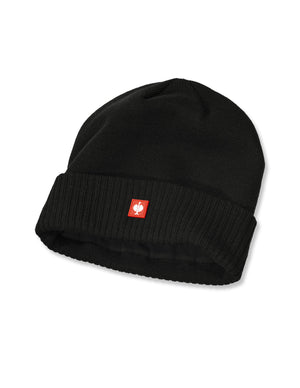 Beanie e.s.trail pure